
Acting Insights with Richard Kline

In-depth acting articles and insights on technique, auditions, and the business of acting. Written by a working actor and respected acting teacher, drawing from decades of studio training and professional experience.

Subscribe To Our newsletter

behind the scenes

On Top

Recent Articles

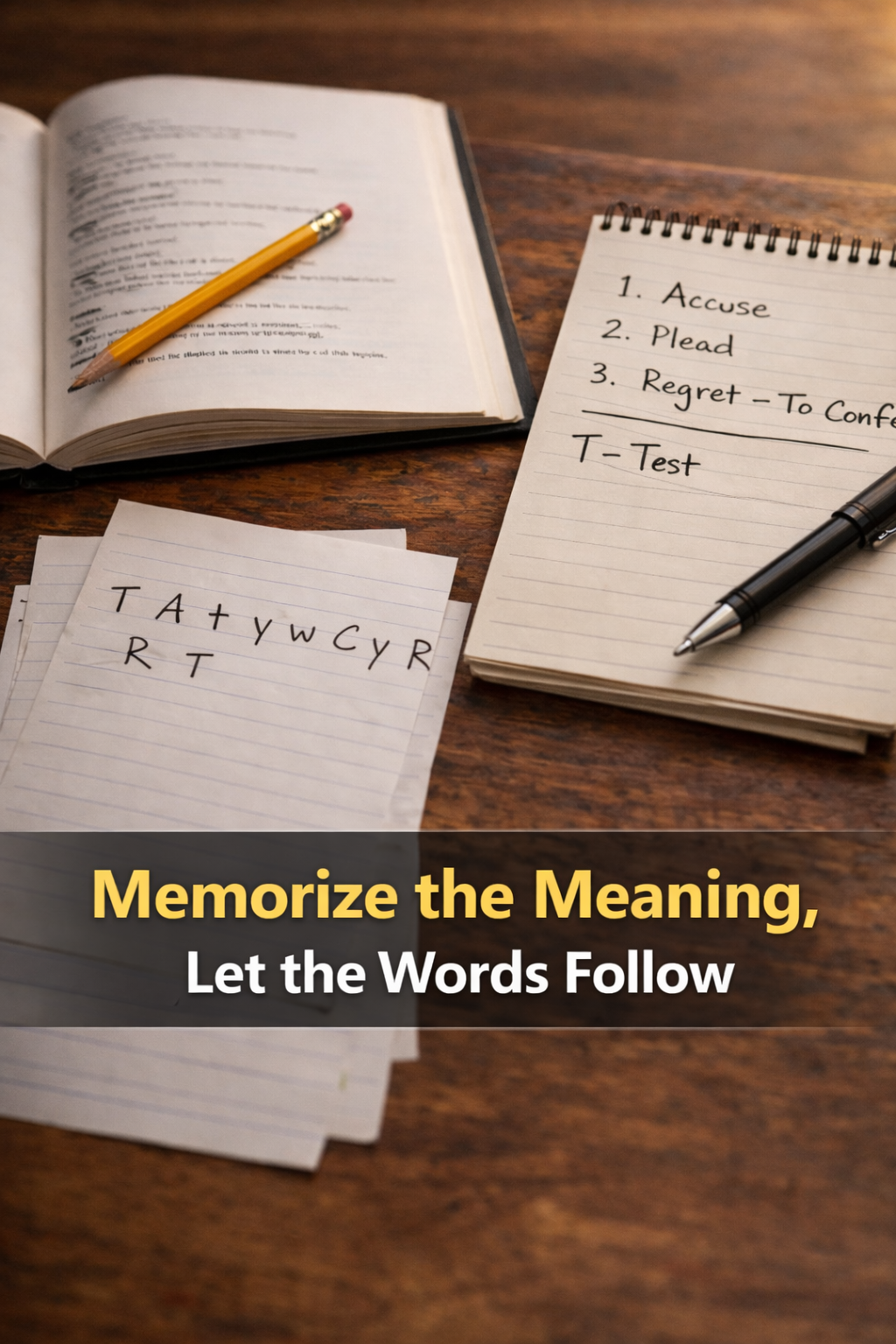
Memorizing Lines: Getting Off the Page (Part 1 of a 4-Part Series)

Many actors memorize lines by drilling words, then wonder why they still feel stuck to the page. In Part 1 of this 4-part series, Richard Kline shares a simple process to memorize the meaning first so the words come naturally and the performance stays alive.

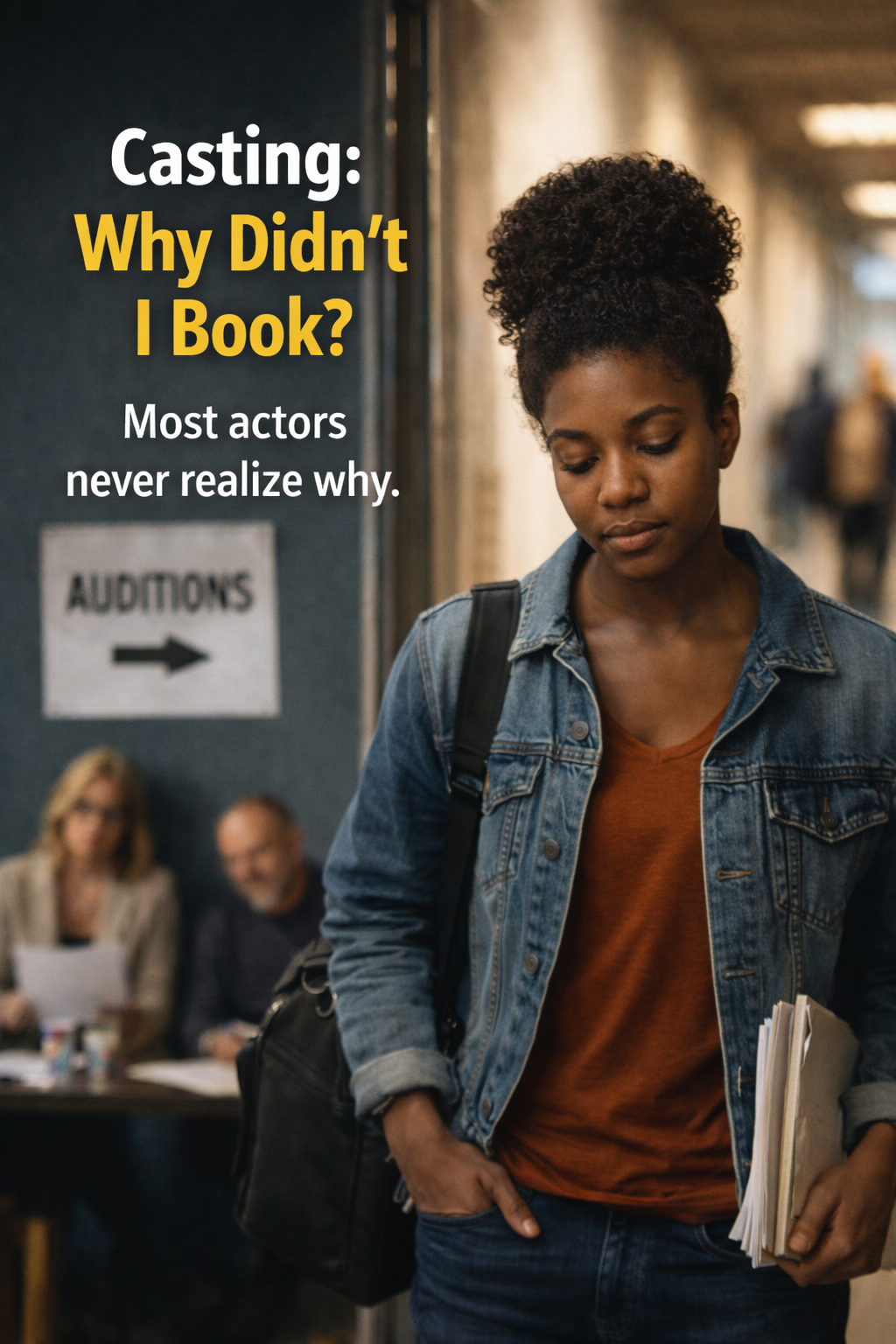
Casting: Why Didn’t I Book?

Most actors never find out why they didn’t book the role. In this article, Richard Kline breaks down what casting directors are really reacting to and how small shifts in your audition work can change everything.

Social Media

New From Animag

Get The Latest

Subscribe To My Weekly Newsletter

No fluff, just solid advice about acting and your career.

Categories

Actors often think rejection means they failed. That they weren’t good enough, interesting enough, or emotional enough. After years of working in this business and training actors in the studio, I can tell you that most of the time, that is not what casting is responding to.

Casting directors reject actors because something doesn’t quite fit. And that “something” is usually not what the actor thinks it is.


The Audition Is the Job

The audition is your job. Treat it as such.

Many actors walk into auditions carrying the pressure of needing the role to pay the rent or trying to figure out what casting is looking for. That mindset works against you every time.

You cannot control whether you book the role. You cannot control what casting ultimately chooses. And you cannot control how the project evolves after you leave the room.

What you can control is how prepared you are.

Preparation is part of your job. Showing up grounded, clear, and connected to the material is your responsibility as a professional actor. Beating yourself up with thoughts like “I need this” or second guessing what they want only pulls you out of the work.

In my online acting classes, we train actors to focus on what is actually in their control. When you do your job well, you leave the room knowing you did your work, regardless of the outcome.


Casting Is Solving a Puzzle

When a casting director looks at you, they are not asking, “Was this actor talented?” They are asking, “Does this person belong in this story?”

They already know the tone of the show. They know the lead actor. They know the world the story lives in. They are trying to find the missing piece that makes everything click.

In my online acting classes, we spend a lot of time helping actors understand this, because once you stop trying to “win” the audition and start trying to fit the story, your work becomes much clearer and much more watchable.


Why Being Good Is Not Always Enough

I’ve watched strong actors lose parts simply because their energy was too heavy, too light, too sharp, or too soft for what the project needed. None of that means they did anything wrong.

It just means they weren’t the shape the story was looking for.

In class and in my online studio, we train actors to read between the lines of a script so they can sense what kind of world they are stepping into. That skill alone changes how casting responds to you.


The Invisible Things Casting Is Tracking

There are things casting notices that actors are rarely aware of:

  • How you look next to the lead
  • How your voice cuts through a scene
  • Whether you feel calm or tense on camera
  • How grounded you appear

These are not things you can fake. They come from how comfortable you are being yourself inside a scene, which is exactly what we work on in the online classes.


Why Actors Get in Their Own Way

Many actors walk into auditions trying to impress. They push. They indicate. They try to make something happen.

What casting wants is someone who feels easy to watch. Someone who doesn’t fight the scene.

In the studio classes, we strip away that extra effort and get actors back to something much simpler: being present and letting the moment land.


Clarity Is What Casting Responds To

Casting directors are constantly asking themselves one question: “Do I understand this person?”

If they feel confused about what you are doing, they move on. If they feel clear, they lean in.

That clarity is something we train very specifically in the online acting classes, because once you are clear, everything else becomes easier.


Why You Rarely Get Feedback

Most actors never know why they didn’t get the part. That doesn’t mean there was something terribly wrong. It usually means someone else fit the puzzle a little better.

Understanding this takes a huge amount of pressure off, and that alone makes your auditions better.


What You Can Control

You can’t control the project. You can’t control the other actors. You can’t control casting’s final choice.

You can control how clearly you come across, how relaxed you feel, and how easy it is for someone to imagine you in the role. Those are skills we actively develop in the online studio.


Want to See How This Shows Up in Your Work?

If you feel like you are getting close but not booking, there is usually something subtle in how you are coming across that can be adjusted.

I offer a Free Audit Class where you can experience how we work in the online acting studio and see how these ideas apply to your acting.

Take a Free Audit Class here